
From Philly and the Pa. suburbs to South Jersey and Delaware, what would you like WHYY News to cover? Let us know!
Philadelphia’s child welfare system is under renewed scrutiny after the recent death of 10-year-old Malayshia Allford.
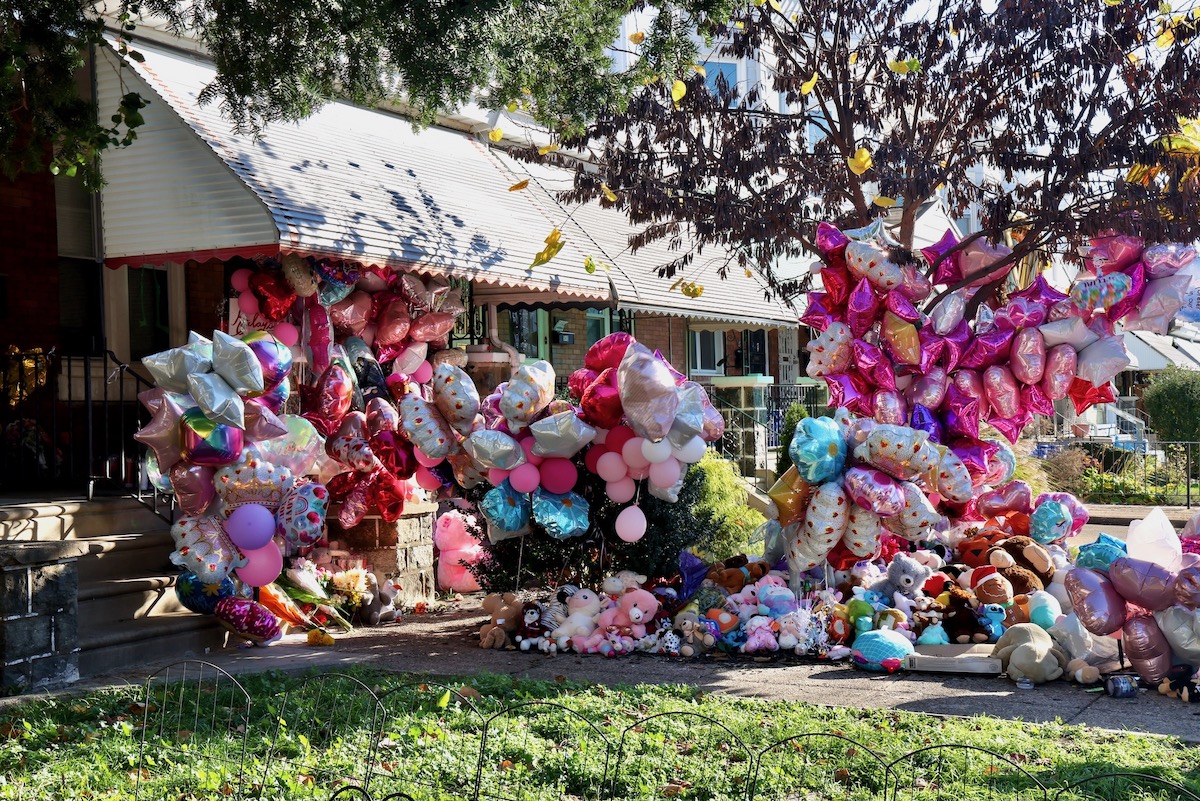
Allford’s body was found earlier this month in the trunk of a car parked in Camden County, New Jersey. Her body showed clear signs of abuse, investigators said. Foster mother and Philadelphia school teacher Carprice Williams was arrested and charged with murder.
Now, advocates and experts are calling for reform and changes to better protect children.
Cases of serious child maltreatment, including fatalities, are not new in Philadelphia, and Allford’s death is reigniting frustrations with gaps, inconsistencies and failures in the child welfare system that have persisted for many years.
WHYY spoke with researchers, consultants, social workers and other experts who’ve worked in child welfare for decades about problems plaguing the system and what could be done differently.
Williams had a history of child abuse allegations involving at least one other foster child, according to court documents from a 2024 lawsuit. But the accusations were expunged from Williams’ record, and she began fostering Allford in her West Philadelphia home last summer.
Safety measures such as background checks, training and oversight need to be consistently in place and enforced, said Cathy Welsh, a child welfare consultant for more than 40 years.
Past records of abuse allegations should be taken seriously, Welsh said. Leaders at the Philadelphia District Attorney’s Office stated that they will review the state’s appeals process for people accused of child abuse allegations seeking to clear their records.
Additionally, Welsh said the system needs to be more thoughtful in foster care placements. That includes keeping kids connected to people they feel safe with and familiar places.
“Their school, their neighborhood, their doctors, their church – all of those things that are really important to kids,” she said.
The child welfare system also needs to ensure that foster parents are properly supported and trained to care for kids, Welsh said, including understanding their role in helping kids maintain regular communication with their families and encourage visitations, when appropriate, with the ultimate goal of reunification.
“Especially with the technology we have, why are kids not FaceTiming, parents FaceTiming with their kids, every night?” she asked.
But because there aren’t enough foster homes for the number of kids needing out-of-home placements, the quality of foster care and foster parents is inconsistent across the board, Welsh said.
“There’s almost a, ‘We’ll take anybody’ [attitude],” she said. “And that gets you into all kinds of trouble if you’re allowing people that you really think, ‘Oh, God, would I let my kid go there?’ I think there’s this feeling of desperation of, ‘We don’t have enough homes.’”
Demands on the child welfare workforce are also too great, Welsh said, which has led to inexperienced or burned-out social workers, untenable caseloads, missing or incomplete documentation, a lack of advocate support in court proceedings, unqualified or absent supervision, and other breakdowns.
“As a new social worker, a lot of times you just don’t know what to do. And if you don’t have a supervisor guiding you, or an experienced worker mentoring you, you’re just kind of flailing about,” she said. “You either try to figure it out or you leave, or you’re just really not effective.”


