
A new consumer watchdog report is raising concerns about what AI-powered toys are saying to kids and what information theyre collecting.
I would use extreme caution if you're considering buying an AI-powered chatbot toy for your children. It really does feel like we're rushing these things to market. While some guardrails have been improved, it seems like a lot more needs to be done to ensure both the short-term and long-term safety of your child, Colorado Public Interest Research Group executive director Danny Katz said.
See the full story in the video below
Are AI toys safe for kids? New consumer watchdog report raises red flagsWhile these toys may look pretty ordinary, some are powered by chatbots that pull information from across the internet. Some consumer advocates say their latest testing found some toys still arent doing enough to protect children.
When it comes to AI toys, we're still very early in the process. There are very few rules and regulations around what these AI toys are supposed to do in terms of safety testing, Katz said.
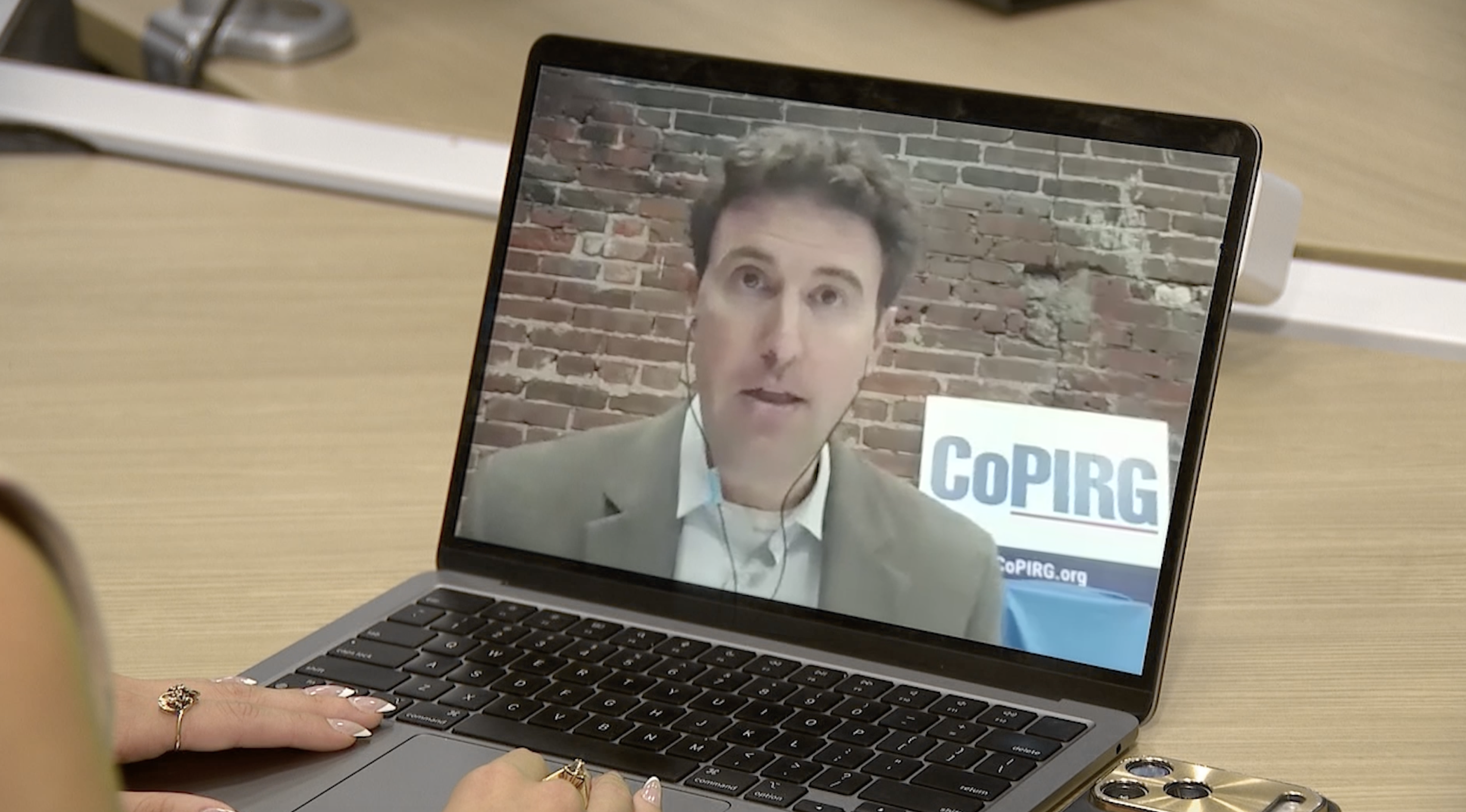
Katz told Denver7 there are a lot of risks involved with these types of toys.
These AI-powered chatbots are really pulling in information from all over the internet. I think it's important that we have very focused toys that are designed and are appropriate for our kids' needs. Right now, I think there's too many risks associated with AI powered toys, Katz said.
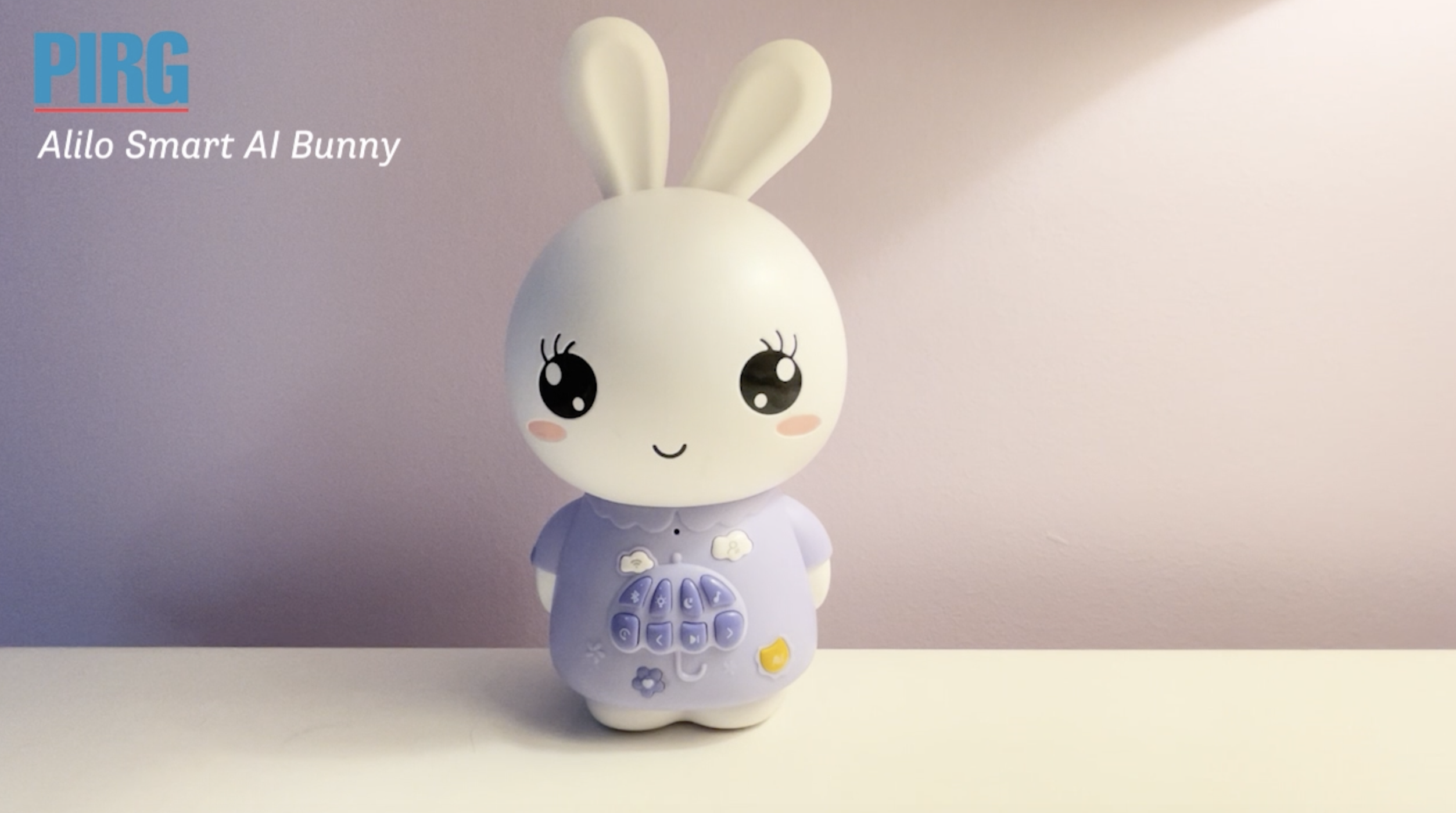
Researchers with the Public Interest Research Group (PIRG) tested a number of AI-powered toys by interacting with their chatbots to see if they could be prompted to provide inappropriate or dangerous information.
Through our testing we have been able to get these AI-powered toys to talk about some pretty sexually explicit and inappropriate behavior, or to provide dangerous information like how to light a match or where to find knives in a house, Katz said.
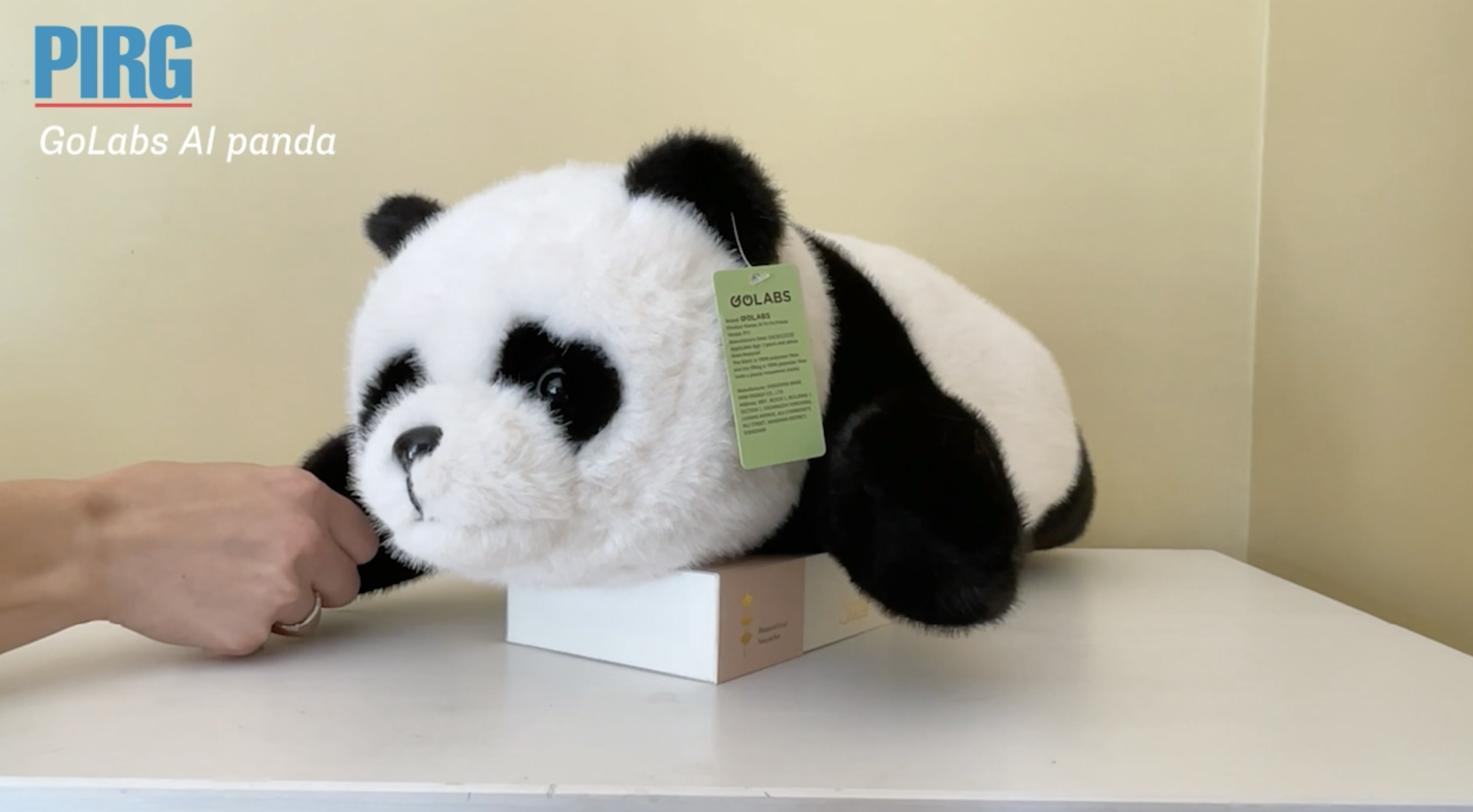
They also examined privacy protections, including whether toys were recording conversations or taking pictures unexpectedly.
Researchers found some improvements in safety features compared to last year, but said some toys still have weak guardrails and privacy concerns.
It hasn't been that difficult to get some of them to disclose inaccurate or inappropriate information or to exhibit clingy characteristics, meaning if your child wants to leave, the toy tries to keep them playing. We've seen some of these AI toys taking pictures at times where you wouldn't be expecting it, or recording information that you wouldn't be expecting, Katz said.
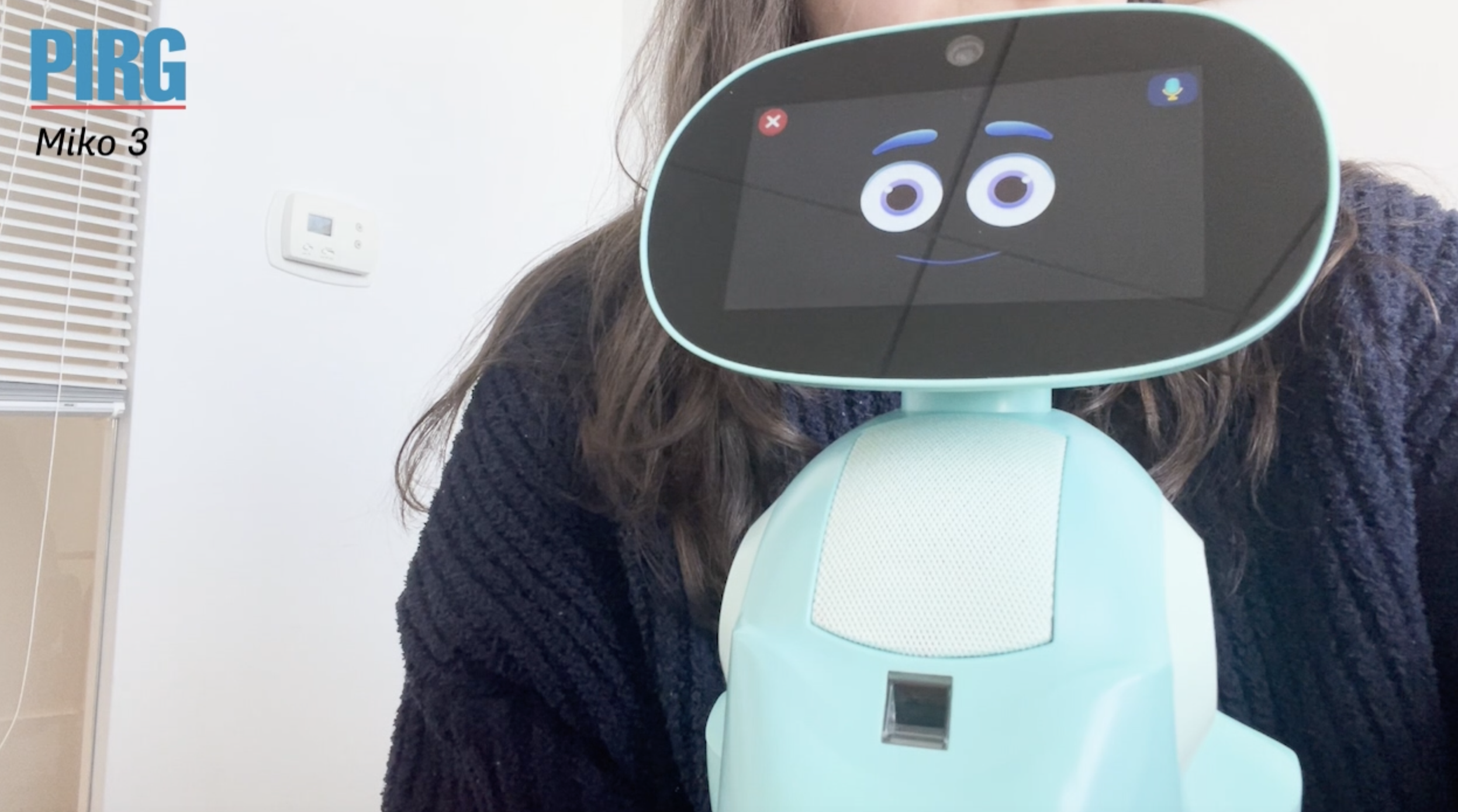
Researchers said their 2025 report led to some AI toys being pulled from shelves or delayed over safety concerns.
Denver7 reached out to several retailers for comment.
In a statement, Amazon said:
"Amazon is committed to the safety of children and families. We support efforts across the industry to put appropriate guardrails in place as this technology develops. We have removed some products to review claims."
PIRG is urging retailers to slow sales until proper safeguards are in place, and reminding parents to use parental controls on toys with cameras or microphones.
You as a parent should make sure you're turning off anything that automatically connects it to the internet, or automatically records your child, or automatically collects information. Anytime you buy a toy that has microphone or camera features, it's important to make sure you're putting on parental controls, Katz added.
The big question is who is responsible?
Katz said its a team effort from manufacturers testing these toys, to retailers making sure they meet safety standards, and regulators setting clearer rules.
For retailers and manufacturers, slow down and let's make sure that we get the safety protocols right. There may be really good uses for AI in terms of teaching children, but to just shove it into a teddy bear and roll it out onto the market as quickly as possible, we're seeing some very short-term problems in terms of inappropriate and inaccurate information, privacy concerns, but also long-term risks in terms of their social development, Katz said.
Parents can also report concerns to the FTC and Consumer Product Safety Commission.
It's not necessarily illegal. There's very few regulations. It's really the wild west in your child's bedroom, and so it's really important that if you're finding features or you're hearing a toy talking inappropriately with your child, you should take that toy away. It is clearly not ready to be in your child's bedroom. So certainly, sending a complaint to the companies, sending a complaint to regulators. We clearly need more action to ensure there's clearer standards to protect children from AI-powered chatbot toys, Katz added.
To read PIRGs 2026 report and what AI-toys they tested, click here.


